Showing posts with label Teenage Pregnancy. Show all posts

Teen Pregnancy: Causes, Effects and Prevention by Stan

INTRODUCTION

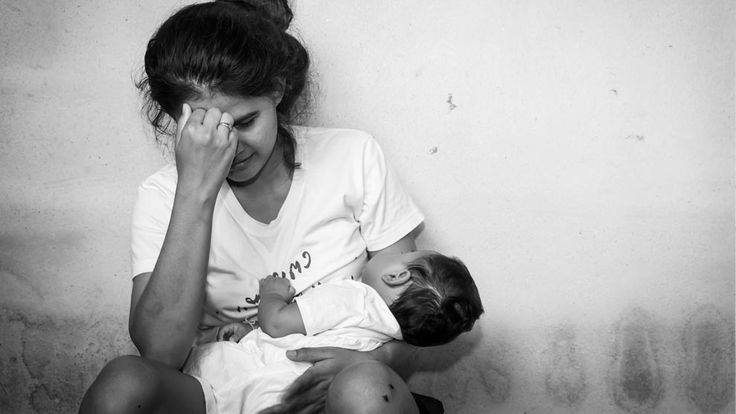
        Teenage pregnancy is the term used to describe pregnancies among young women still in their adolescent years. This range of ages is often between 13 and 19. However, it can vary based on the menarche age and the country's legal age of majority. Due to changing lifestyles and a higher fertility rate, teen pregnancy rates are rising globally, presenting numerous social and economic issues for society.


CAUSES

        Early marriages, young sexual activity, a lack of sex education, sexual abuse, pornography, drug use, poor levels of education and high poverty rates are some potential reasons and risk factors for teenage pregnancies.


SOCIOECONOMIC EFFECT

        Teenage females' school dropout rates increase as a result of teenage pregnancy. Due to intense peer pressure and inadequate sex education, dropouts disproportionately affect high school girls. Because she must leave school to prepare for and care for her pregnancy, a teenage girl's education is significantly impacted. According to statistics, adolescent pregnancies are the leading cause of high school dropouts among young girls. The potential for education and the promising future of girls, children are greatly harmed by these dropouts. Due to physiological and morphological characteristics, teenage pregnancies are more likely than mature women to experience obstetric problems. These issues necessitate further medical care, which is quite expensive, especially for low-income families. When a teen mother gives birth without the assistance of a qualified obstetrician, there are other significant health hazards that could negatively impact her health. Teenage mothers' self-esteem is significantly impacted by stress and social shame. A teenage girl who gets pregnant experiences anxiety about an unforeseen pregnancy, frustration, and a loss of hope as she feels as though she has already fulfilled her life's purpose.

        The pregnant girl is afraid to tell anyone, not even the boyfriend who caused the pregnancy because she is scared about what they will think of her predicament. She becomes stigmatized and perplexed as she wonders what impression she will give to his friends, family, and professors. She weighs the pros and cons of telling everyone and continuing with the pregnancy vs. keeping it a secret and having an abortion.


PREVENTION

        Schools must provide initiatives and workshops that give children a chance to shape their childhood constructively and keep occupied because idle minds are the devil's workshops. Because it promotes early teen sexual behavior, drug use and pornography should not be permitted in schools. Girls need to learn how to avoid risk and safeguard themselves from circumstances and predisposing factors that could be very hazardous to their safety. Girls will be able to make educated decisions and be accountable for their actions and results with the help of sex education.


CONCLUSION

        Teen pregnancy is a significant problem affecting girl child education worldwide. The increased teenage pregnancy rate is due to the change in lifestyles, such as the availability of pornography, drug abuse, peer pressure, increased fertility, and poverty. Teenage pregnancy poses many challenges to families and education system translating into serious socioeconomic problems in society that need immediate attention to address. Teenagers are young and relatively innocent on the consequences of teenage pregnancies, so they need proper parental and school guidance on the knowledge of sexuality and pregnancy.

Teenage Pregnancy: Teenagers Loss of Human Rights and Health Problems by Drops

        Teenage pregnancy is portrayed as a negative thing to happen in society. It has been normalized because of how teenagers see the world. Society sets an image that having a child at a young age is a cool thing. However, many teenagers do not know the truth about having and bearing a child at a young age. Teenagers lack knowledge about sex and pregnancy, which can lead to unplanned pregnancies. In this process, many pregnant teenagers are forced to miss school and are denied their right to an education. In addition, she denied her right to health since she is not permitted to utilize contraception or learn about reproductive health. Many teens are not physically or emotionally prepared for pregnancy or birth, raising the risk of complications and death. Early school dropouts and health concerns jeopardize their capacity to earn a living.

       In this article, most of the teenagers in India are already giving and having a birth at 15-19 years old. Because of their age, many teenagers experience a lot in their process of giving birth: Low birth weight (LBW), cephalopelvic disproportion (CPD), anemia, pregnancy-induced hypertension, premature labor, anemia, maternal, perinatal, and neonatal mortality. It also damages the reproductive system and is just one of the severe health risks young women face when combining poor nutrition with early childbearing.


Anemia 

        You are having lower than an average number of healthy red blood cells. People with anemia may feel tired and weak. You are more likely to get iron-deficiency anemia during pregnancy because your body needs more iron than usual. Your healthcare provider will check the number of red blood cells during pregnancy. Treating the underlying cause of the anemia can help restore the number of healthy red blood cells. Your provider may also recommend that you take iron and folic acid supplements to help prevent and manage anemia.


Anxiety

        Anxiety disorders are common before, during, and after pregnancy. If you have an anxiety disorder, you may struggle with uncontrollable feelings of anxiety, nervousness, fear, worry, and panic. These feelings can be intense and may last a long time. They can also interfere with relationships and daily activities, such as work or school. Anxiety disorders often occur with depression. Getting treatment for anxiety before, during, and after pregnancy is important. Talk to your healthcare provider as soon as possible if you think you have an anxiety disorder.


Depression

        Everyone feels sad sometimes, but these feelings usually pass in a few days. Depression interferes with daily life and may last for weeks or months. Some people have depression before, during, or after pregnancy.

        It is vital to concentrate on preventing teenage pregnancy from becoming a significant problem. Teenage girls may become healthy, responsible adults with the help of education, nutrition advice, family planning, and community awareness. Schools should provide sex education classes to teach kids the truth about STIs and pregnancy up.


Reference:

https://www.cureus.com/articles/125863-unwanted-teenage-pregnancy-and-its-complications-a-narrative-review#!/

Teenage Pregnancy: A Critical Issue in Today's Society by aryx_

Teenage pregnancy is a complex and often controversial issue affecting millions of young people worldwide. It is one of the most significant social issues we face since it affects the whole community, the family, and the individual. Despite widespread efforts to educate and prevent unintended pregnancies, the rates of teenage pregnancies remain high in many countries. 

    In this article, we will explore the challenges faced by young parents and how society can support and empower teenagers who find themselves navigating the realities of early parenthood. Through a compassionate and informed perspective, we will delve into the multifaceted aspects of teenage pregnancy, shedding light on this critical topic that has far-reaching implications for the individuals involved, their families, and society.

    Teenage pregnancy poses various challenges to young mothers in the Philippines. One of the challenges young parents face is the risk to their physical health. Teenagers are often ill-prepared physically and emotionally for pregnancy and childbirth, which increases the risk of complications during pregnancy and childbirth, such as premature birth, low birth weight, and maternal mortality. Additionally, teenage mothers may face difficulties in continuing their education, obtaining employment, and pursuing a stable livelihood, which can perpetuate the cycle of poverty. But since they entered the world of being a young mother, they have to face every problem that comes to their family. The issues they face are just like the cost of raising a child. We all know that having a child is expensive, especially for a baby's needs, food, and milk. These costs can create a heavy financial burden for teen moms who do not have the support of a partner or family members. 

    Teenage parenthood can be difficult, but society can significantly empower and support young people in navigating early parenthood. A thorough and multifaceted strategy that attends to teens' physical, emotional, social, and educational requirements is necessary to support and empower young people adjusting to the reality of early motherhood. By providing access to resources, support networks, and growth opportunities, society can help teenage parents succeed in their parenting journey and build a positive future for themselves and their children.

    The Philippines needs to address the issue of teenage pregnancy with multifaceted, evidence-based solutions that include thorough sex education, accessibility to sexual and reproductive health services, and encouraging societal policies.

    In this article, teenage pregnancy in the Philippines is a complex issue that requires a comprehensive and multifaceted approach. In the Philippines, teen pregnancy is still a significant problem with far-reaching effects on the people involved and society. The number of teenage pregnancies in the nation continues to be extremely high despite efforts to address this issue, including reproductive health services and education campaigns. The problem worsens by poverty, insufficient access to comprehensive sex education, cultural norms, and cultural practices.

Reference: 

https://youthproblemsinthephilippines.weebly.com/teenage-pregnancy.html

image: https://www.worldvision.org.ph/stories/young-love-jane-story/


Breaking the Taboo: Understanding and Addressing the Issue of Teenage Pregnancy by kulangsatulog

Introduction: 

    Teenage pregnancy is a significant issue affecting many young people worldwide. Despite efforts to promote safe sex practices and access to contraception, teenage pregnancy rates continue to be a cause for concern. This article aims to explore the issue of teenage pregnancy, the factors that contribute to it, and its impact on young people and their communities. Through this exploration, we can better understand the root causes of teenage pregnancy and work towards effective strategies to address the issue.

Factors Contributing to Teenage Pregnancy:

    Teenage pregnancy is a complex issue influenced by various social, economic, and cultural factors. In many cases, teenagers who become pregnant are from disadvantaged backgrounds and face a range of challenges, including poverty, low educational attainment, and limited access to healthcare. Additionally, social norms and expectations around gender roles, sexuality, and relationships can contribute to a lack of education and support regarding safe sex practices and contraception.


Impact of Teenage Pregnancy:

    The impact of teenage pregnancy can be significant for both the young person and their community. Teenage mothers are more likely to experience poor physical and mental health outcomes, including higher rates of depression and anxiety, and are more likely to live in poverty. Children born to teenage mothers are also more likely to experience poor health outcomes, including a higher risk of low birth weight, premature birth, and developmental delays. Additionally, teenage pregnancy can impact educational attainment and future career prospects, limiting opportunities for young people to reach their full potential.


Addressing the Issue of Teenage Pregnancy:

    Some steps can be taken to address the issue of teenage pregnancy. Education is vital both in terms of providing young people with information about safe sex practices and contraception and in promoting positive attitudes towards sexuality and relationships. Programs that focus on building resilience and supporting young people to achieve their goals can also effectively reduce teenage pregnancy rates. Additionally, access to healthcare and support services can be critical in helping young people who experience adolescent pregnancy.


Conclusion:

    Teenage pregnancy is a complex issue that requires a multifaceted response. By breaking down the taboo surrounding adolescent pregnancy and addressing the root causes of the case, we can work towards a future where all young people are empowered to make informed choices about their health and well-being. Our society is responsible for providing young people with the education, support, and resources they need to reach their full potential.


References:

Office of Adolescent Health. (2021). Teenage Pregnancy. Retrieved from https://www.hhs.gov/ash/oah/adolescent-development/reproductive-health-and-teen-pregnancy/teen-pregnancy/index.html

Centers for Disease Control and Prevention. (2021). Teen Pregnancy. Retrieved from https://www.cdc.gov/teenpregnancy/about/index.htm

World Health Organization. (2021). Adolescent Pregnancy. Retrieved from https://www.who.int/news-room/fact-sheets/detail/adolescent-pregnancy


The Realities of Teenage Pregnancy: Understanding the Risks and Challenges by Mr._IcePrince

    Teenage pregnancy is a complex issue affecting young people worldwide, but it is not an unsolvable problem. By understanding adolescent mothers' risks and challenges, we can work to prevent teenage pregnancy and support those who become pregnant. It is crucial to have an open and honest conversation about this issue and provide young people with the education and resources they need to make informed decisions about their reproductive health.

The Risks of Teenage Pregnancy


    Teenage pregnancy is associated with various health risks for the mother and child. These include:

  • Complications during pregnancy and childbirth: Teenage mothers are at a higher risk of developing complications during pregnancy and childbirth, such as premature birth, low birth weight, and preeclampsia.
  • Health problems for the child: Babies born to teenage mothers are likelier to experience health problems, including developmental delays, behavioral issues, and chronic conditions such as asthma.
  • Social and economic disadvantages: Teenage mothers often face social and economic disadvantages, such as dropping out of school, limited job opportunities, and financial instability.

The Challenges of Teenage Pregnancy

    Teenage pregnancy can also present numerous challenges for young mothers. These include:

  • Emotional stress: Teenage mothers may experience emotional stress, including anxiety, depression, and feelings of isolation.
  • Lack of support: Teenage mothers may lack support from family, friends, and partners, which can make it difficult to navigate the challenges of pregnancy and parenting.
  • Stigma and discrimination: Teenage mothers may face stigma and discrimination from society, hurting their mental health and well-being.

Preventing Teenage Pregnancy


    Preventing teenage pregnancy requires a comprehensive approach that includes education, access to contraception, and support for young people. Here are some strategies that can help prevent adolescent pregnancy:


  • Comprehensive sex education: Providing young people with comprehensive sex education that includes information on contraception, consent, and healthy relationships can help prevent unintended pregnancies.
  • Access to contraception: Ensuring young people have contraception can help prevent unintended pregnancies.
  • Support for young people: Providing young people with support and resources, including counseling, healthcare, and childcare, can help them navigate the challenges of pregnancy and parenting.


    In conclusion, teenage pregnancy is a complex issue that requires a multifaceted approach. By understanding young mothers' risks and challenges, we can work to prevent teenage pregnancy and support those who become pregnant. It is essential to provide comprehensive sex education, access to contraception, and support for young people, as well as address the social and economic factors contributing to the issue. We must continue to have open and honest conversations about this topic and create safe and supportive environments for young people to make informed decisions about their reproductive health. By doing so, we can help ensure that all young people have the resources they need to thrive and reach their full potential.


References: 

American College of Obstetricians and Gynecologists. (2017). Adolescent Pregnancy. https://www.acog.org/clinical/clinical-guidance/committee-opinion/articles/2017/05/adolescent-pregnancy

Centers for Disease Control and Prevention. (2022). Teen Pregnancy. https://www.cdc.gov/teenpregnancy/index.htm

National Institute of Child Health and Human Development. (2020). Teen Pregnancy and Childbearing. https://www.nichd.nih.gov/health/topics/teenpregnancy/conditioninfo/healthproblems

Society for Adolescent Health and Medicine. (2014). Preventing Adolescent Pregnancy. https://www.adolescenthealth.org/Portals/0/ADOLESCENT%20PREGNANCY%20-%20Preventing%20Adolescent%20Pregnancy%20-%20Position%20Paper%20of%20the%20Society%20for%20Adolescent%20Health%20and%20Medicine.pdf

https://www.npr.org/sections/goatsandsoda/2020/08/21/787921856/photos-the-hidden-lives-of-teen-moms

Determinants of Teenage Pregnancy by aymncl

    Society can never conclude any issues happening in its environment, given that people come from different ways of expressing themselves as a human who is just a human. The focus of our talk today is the causes and risk factors of teenage pregnancy, including the sector of education, economy, and health. The World Health Organization states, “Adolescent pregnancy is a global phenomenon with clearly known causes and serious health, social and economic consequences.”

    Significant causes of teenage pregnancy are; lack of information about sex education, social pressure, sexual violence, forced marriage, family orientation, and history. Let us begin the discussion of the lack of education about sex. Unawareness of sex may lead to improper behavior and beliefs that can be possessed by a teenager, causing the person to be curious about things that are included in their limits. This reinforces taboos, unwanted pregnancies, abortion, transmitted infections, and sexual abuse. A person's family history can affect their generation; an example is the short story titled Footnote to Youth by Jose Garcia Villa—which tells a story of a 17-year-old boy named Dodong who decided to marry his loved one Teang. His father agreed because he could not do anything, Dodong had his own family, and his story was passed on to his son. The last cause to talk about is sexual abuse, one of the most sensitive topics regarding teenage pregnancy, because it can trigger the person's traumatic experiences due to its sensual form. Sexual abuse is a sexual act forced upon a woman, man, or child without consent. Sexual abuse causes teenage pregnancy and can lead to abortion, depression, isolation, anxiety, and post-traumatic stress disorder. Other factors cited by the youth gov include being from a single-parent home, living in a house with frequent family conflict, early sexual activity, early use of alcohol and drugs, and low self-esteem. Lastly, a teen's race and ethnicity can be a risk factors for teen pregnancy.


    Sociocultural, economic, individual, and health service factors were identified as the main determinants of adolescent pregnancy. Due to early pregnancy, adolescents are less likely to complete education and have a lesser possibility to earn more income, causing good economic losses to the country. Health services were identified as a risk factor for adolescent pregnancy because they are responsible for access to birth control pills and contraceptives.

    In conclusion, teenagers who experienced early pregnancy are all victims of the lacking strategies of the community to address this issue, and include their perceptions are still part of what they have been through.